The History of Rittman
From an early nineteenth-century settlement to a railroad town and industrial community, Rittman's story has been shaped by the people who built, worked, raised families, and made this community home.
A Small Town With a Remarkable Story.
The first settlers in what is now Rittman included William Doyle and John Coleman, who took title to land on July 23, 1814. Within a short time, other families arrived, cleared land, planted crops, and began establishing the community that would eventually become Rittman.
Over the generations, farming, railroads, manufacturing, salt, paperboard, local businesses, churches, schools, and civic organizations all played a role in shaping the city.
How Rittman Grew
Rittman's history reflects the larger story of small-town America—settlement, transportation, industry, business, and generations of community life.
The Beginning of a Community
William Doyle and John Coleman took title to land on July 23, 1814. Records indicate several other families acquired land in northeastern Wayne County around the same period. By the following years, settlers were clearing land, farming, and establishing permanent homes.
Early Community Life Takes Shape
William Doyle taught an early school near what became Knupp's Old Church. The church site became an important reminder of Rittman's pioneer beginnings and remains part of the area's historic landscape.
From New Prospect to Rittman
The developing community was known by several names, including New Prospect, Milton Station, Ellio, and Arkona. The name Rittman ultimately came from Frederick B. Rittman, a railroad treasurer, and was gradually adopted by the community.
The Railroad Changes Rittman
Rail service helped transform the settlement. Milton Station became a stop on the Atlantic & Great Western Railroad, later associated with the Erie system. Additional railroad development helped businesses and industry grow and contributed to the movement of the business center toward today's downtown square.
The Rittman Railroad Station
The surviving historic station was built in 1891 as a combined freight and passenger depot. It served generations of travelers and businesses, with passenger service continuing into the twentieth century.
Salt Changes Rittman's Future
The discovery of salt deposits led to the creation of Wayne Salt, later Ohio Salt. In 1948, Ohio Salt became Morton Salt, establishing one of the industrial names most closely associated with Rittman.
Ohio Boxboard Is Founded
E.J. Young established the Ohio Boxboard Company to provide packaging for products including salt and matches. The company grew into a major local employer and helped fuel Rittman's twentieth-century growth.
Harry Truman Stops in Rittman
On October 7, 1948, President Harry Truman made a campaign whistle-stop at the Rittman railroad station. During the brief visit, he was presented with a collection of products manufactured in Rittman.
The Boxboard Era Continues
Ohio Boxboard was acquired by Packaging Corporation of America in 1965. The operation later became known as Rittman Paperboard and, at its height, employed more than 1,200 people.
Rittman Paperboard Closes
Rittman Paperboard closed in early 2006, ending the story of an industrial operation that had influenced the local economy and generations of Rittman families for more than a century.
Rittman Through the Years
Landmarks throughout Rittman help tell the story of the people, transportation, industry, and community that shaped the city.
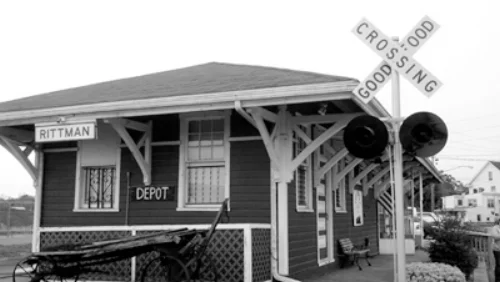
The Historic Rittman Depot
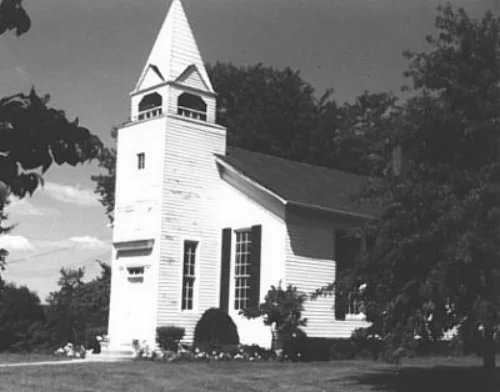
Old Knupp Church
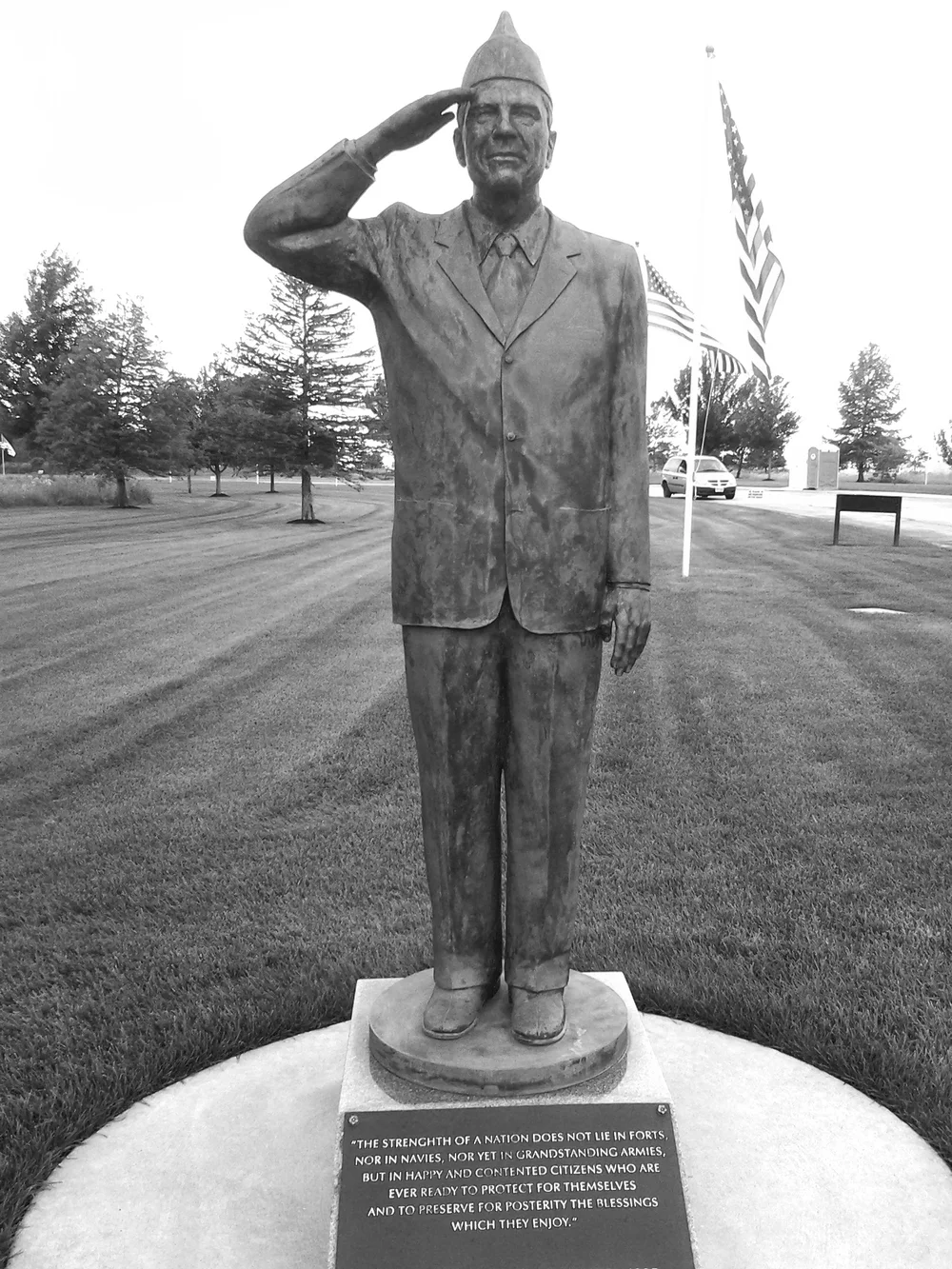
Remembering Rittman's Past
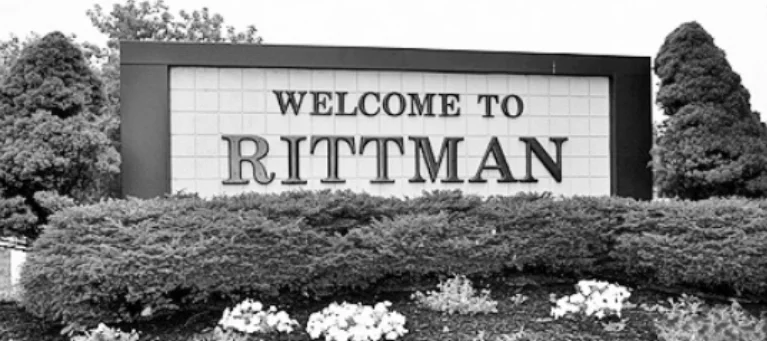
Proud to Call Rittman Home
The buildings, landmarks, and places preserved throughout Rittman provide a connection between the community we inherited and the community we continue to build.
Work That Shaped a Community.
Rittman's identity developed alongside the businesses, trades, railroads, and industries that provided work for generations of local families.
Early Trades & Agriculture
Grist mills, tile making, wagon building, tobacco farming, and other trades formed an important part of Rittman's early economy.
Railroads
Railroad connections brought people, freight, customers, and industry through Rittman and helped shape the location of its commercial center.
Salt
Salt discovered beneath Rittman in the late nineteenth century created an industry that became one of the community's defining economic forces.
Paperboard
Ohio Boxboard and its successors became major employers, connecting Rittman's industrial story with the lives of generations of local families.
History Still Lives Here.
Rittman's history isn't confined to a book. It remains visible throughout the community—in historic buildings, the railroad, old neighborhoods, downtown, local institutions, and the stories passed from one generation to the next.
Old Knupp Church remains one of the area's tangible links to its pioneer past, while Rittman's railroad and industrial heritage tell the story of how a small agricultural settlement developed into the community we know today.
From the families who first settled here to the businesses, workers, organizations, and residents who followed, every generation has helped write another chapter in Rittman's story.
The Next Chapter of Rittman's Story
Rittman's history was built by people who invested in their businesses, their neighbors, and their community. The next chapter will be written the same way—by people willing to work together and believe in what Rittman can become.
A Strong Local Economy
Supporting existing businesses, encouraging entrepreneurship, welcoming new investment, and helping more dollars stay within our local community.
A Vibrant Community
Building community pride through events, partnerships, local involvement, and opportunities that bring people together and make Rittman a place people are proud to call home.
A Thriving Downtown
Encouraging a welcoming and active downtown where businesses can succeed, residents and visitors want to spend time, and Rittman's unique identity can shine.
Stronger Connections
Bringing businesses, organizations, community partners, residents, and local leaders together around shared opportunities and a common investment in Rittman's future.
Helping Move Rittman Forward.
The Rittman Chamber of Commerce cannot build the future of our community alone—and that isn't our role. Our role is to help create the connections, visibility, partnerships, resources, and opportunities that allow local businesses and our community to move forward together.
We will continue advocating for local commerce, promoting the people and businesses that invest here, supporting community initiatives, encouraging collaboration, and finding new ways to connect Rittman with opportunity.
Our history gives us roots.
Our community determines what comes next.
The Chamber is proud to have been part of Rittman's story since 1947, and we're committed to doing our part to help make its next chapter one worth writing.